Housing for separated mothers using a collaborative Cohousing model
Housing for separated mothers is possible using a collaborative Cohousing model where multiple households live in a tiny or larger community with shared spaces and resources, offering mutual support and potentially reducing living costs and social isolation. It’s a way for single mothers to create a supportive environment for themselves and their children, fostering a sense of community and shared responsibility.
Key Aspects of Cohousing for separated mothers:
- Shared Spaces and Resources:
Cohousing communities typically feature shared amenities like a common area-with kitchen, laundry facilities, play areas, and gardens, which can reduce individual expenses and create opportunities for interaction and shared activities. Individual homes have kitchen facilities tailored to the resident needs.
- Mutual Support:
Living in close proximity with other single mothers/women can provide emotional support, childcare assistance, and a sense of belonging, combating the isolation often experienced by single-parent families.
- Decision-Making:
In Cohousing communities, residents engage in the decision-making process regarding community management, activities, and shared resources, fostering a sense of ownership and collective responsibility.
- Potential Benefits:
- Financial Relief:Shared expenses can lead to significant cost savings on housing, utilities, and other household costs.
- Social Connection:Cohousing can provide a strong social network for both mothers and children, reducing feelings of isolation and loneliness.
- Childcare Support:Shared childcare responsibilities and playmates can ease the burden on single mothers and provide children with valuable social interaction.
- Improved Well-being:The sense of community, shared resources, and mutual support can contribute to improved mental and emotional well-being for both mothers and children.
- Potential Challenges:
- Interpersonal Dynamics:Living in close proximity with others can lead to conflicts or disagreements, requiring strong communication and conflict-resolution skills. However, others can mediate resolutions.
- Compromise and Negotiation:Residents need to be willing to compromise and negotiate on various aspects of community living.
- Finding the Right Fit:It’s crucial to find a cohousing community that aligns with individual values, lifestyle preferences, and parenting styles.
There are several WA examples in Fremantle.
While there isn’t specific information about Cohousing for separated mothers in WA, it’s worth exploring existing cohousing groups and organizations in Western Australia. As the internet search for single mother’s housing didn’t provide any tangible homes tailored for single mother’s needs nor a network to link up to opportunities like the one described in this article, CooHLaH https://www.facebook.com/groups/1191364088872754 has been set up. Hopefully, we’ll soon have an active WA branch of Cohousing Australia.
There is an opportunity looking for new residents in Perth Hills as described in the lower section of this article and a link provided to contact the owner.
Cohousing Australia
Cohousing Australia champions a collaborative housing model where residents share resources, responsibilities, and communal spaces. It’s designed to foster connection, affordability, and sustainability while maintaining private living quarters.
Key elements of cohousing
- Shared spaces such as gardens, kitchens, laundries, or even childcare facilities reduce living costs.
- Decisions are made collectively, giving residents a voice in their housing community. This model is best suited for those who are comfortable with collaborative decision-making for community issues.
- Strong emphasis on environmental sustainability and social connection.
Westside Cohousing in Footscray (Melbourne, Australia):
Cohousing Australia highlights this community as a thriving example of a cohousing project designed to foster sustainability and inclusion, with private homes complemented by communal spaces.
Westside Cohousing in Footscray is a thriving cohousing community in Melbourne’s inner west, bringing together diverse households, including single-parent families, to create a sustainable and inclusive living environment.
What sets Westside Cohousing apart
- Residents design and manage the community together, tailoring it to shared values.
- Private homes are complemented by communal spaces, such as gardens, kitchens, and play areas.
- The location in Footscray offers access to excellent public transport, schools, and cultural amenities.
Cohousing for separated mothers with other younger single mothers increases the possibility that one party will want to sell out to perhaps form a new family with a new partner, especially if they’ve not spent years planning, developing and building just what they want.
This author’s reading showed that Multigenerational opportunities seem to endure longer perhaps due a stable base of older people which allows a younger person to perhaps move on without causing group disintegration.
If you could transition living space in the same cohousing community into which you are buying with a build upwards for more space, you might incorporate both above positive phenomena.
WA Cohousing for separated mothers Opportunity
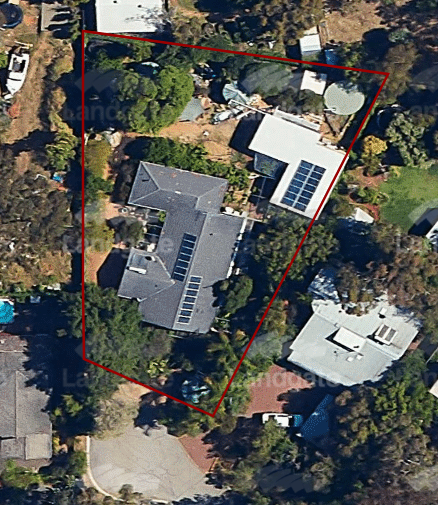
An ageing property owner has downsized into a purpose-built granny-flat, creating an opportunity for a single mother to rent the 3×1 section of the main house for at least a year as a gradual buy-in agreement is co-created. If the single mother repartnered, they wouldn’t need another bedroom once they decided to transition to cohabitation.
Rental could become investment in collaboratively agreed property development or simply extra work that the owner currently pays workers for. This is particularly suitable for a mum who wishes to remain home with pre-school children or home-school. A variety of self-sufficient work skills would help children/teens discover their occupational interests/hobbies.
In the Perth Hills situation, the extra space in the parents’ retreat is transitioning from the owner’s storage area to a third household, while possibly finding somebody who wants to live in the master bedroom and ensuite as a studio while building a spacious scenic upper-level kitchen-living area. They are likely to be a separated mature/middle-aged person who will also be less likely to move to a new place once they’ve built with the proceeds of their property settlement. Realistically, they’re most likely to down-size to grannyflat when original owner passes on.
Once there is stability of at least two households there will be more social capacity to be more selective as evidenced in the learnings from Siren House in the last article of the links below. Most cooperative communities have a large number of rentals with larger groups of people which requires more meetings, but this opportunity could remain simply owner and single mother with children. It may be that the family build upward for the younger generation to live more independently possibly sharing with friends. The main criteria is enthusiastic participation in the sustainable self-sufficient lifestyle especially food growing to carry on the established fruit and vegetable gardens typical of hills lifestyle spacious properties.
Intergenerational living is an age-old concept. The Perth Hills example has common areas limited to gardens, laundry and an outdoor eating/entertaining area, although it may be possible to arrange an indoor cooking area. More information here
Relevant Extra Reading with examples of conventional and communal cohousing models: –
https://www.abc.net.au/listen/programs/rn-presents/one-roof-many-lives/105669692